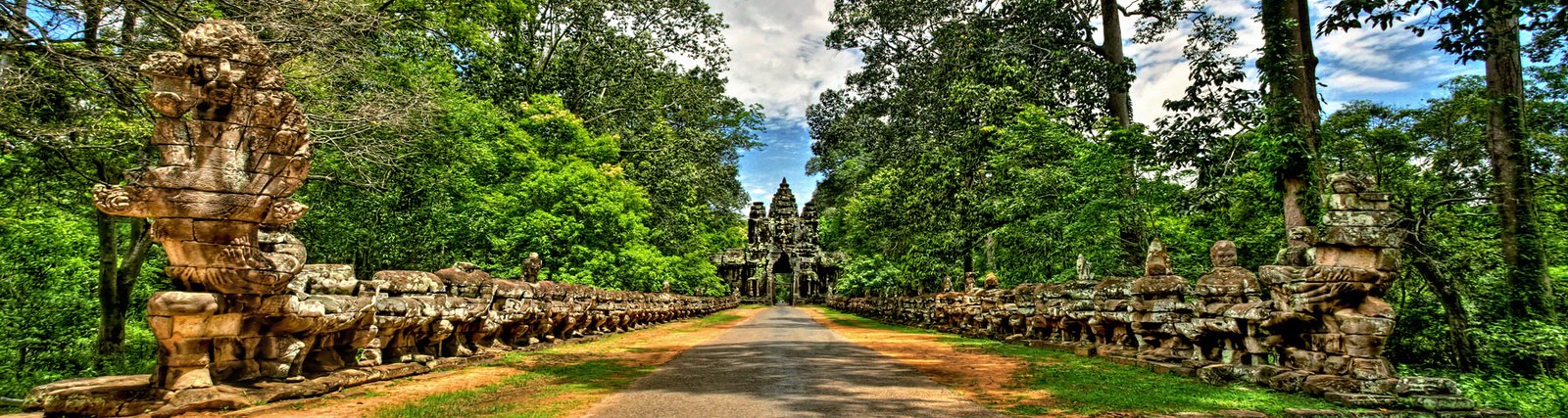
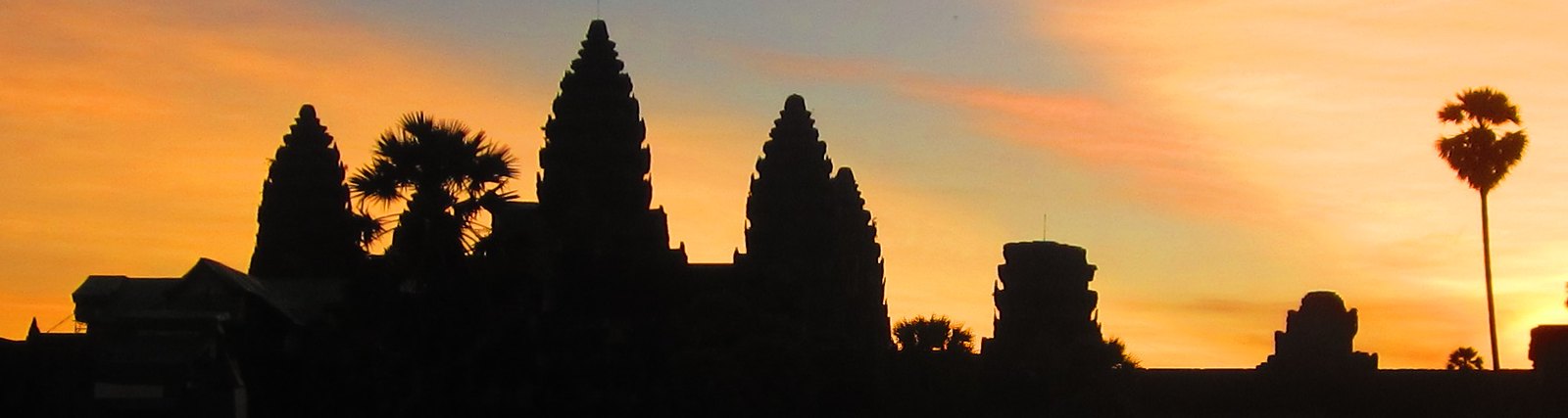
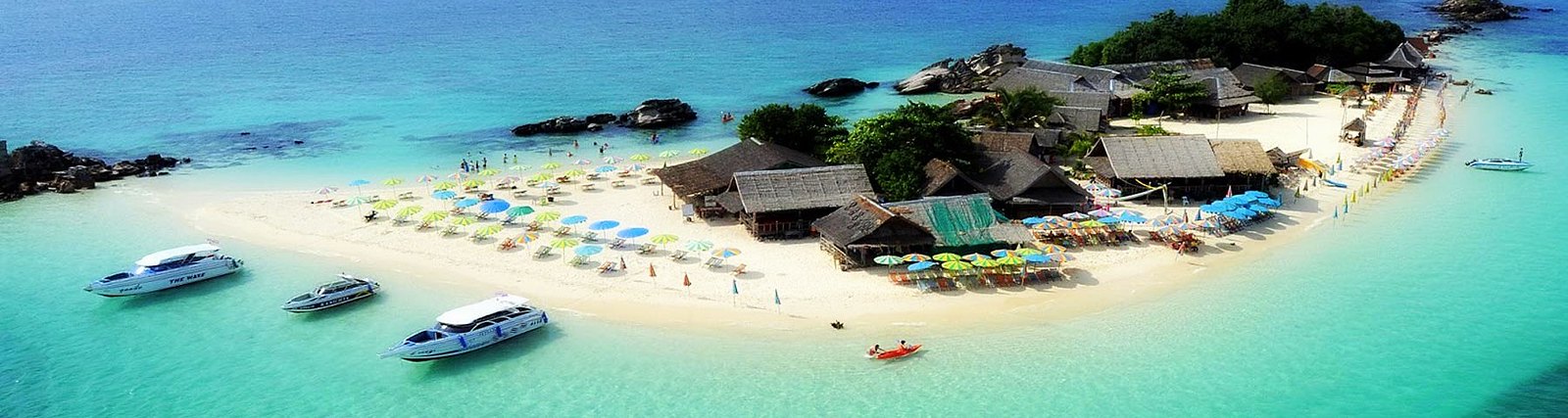
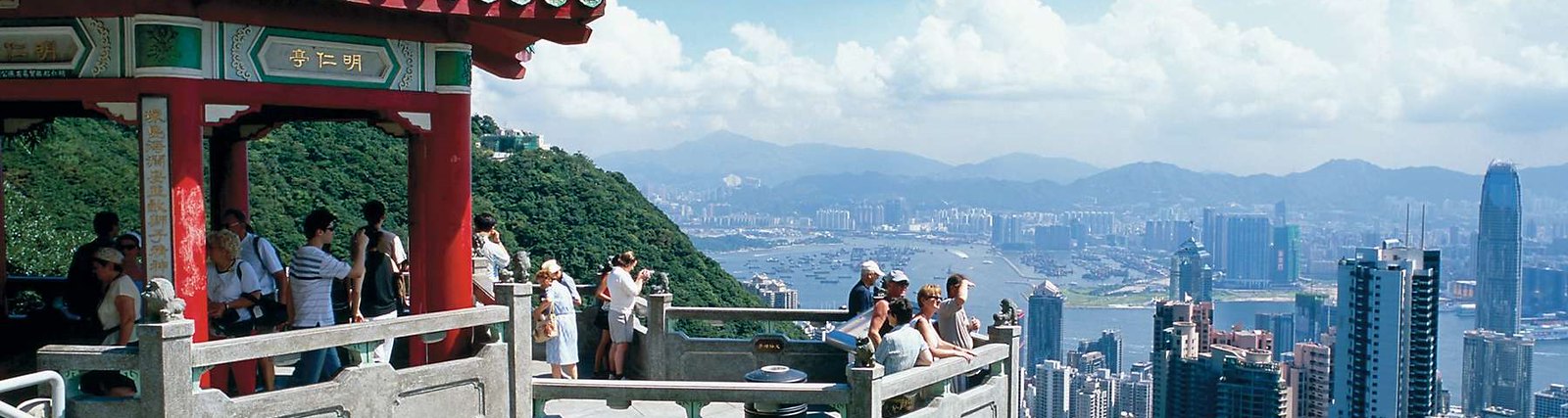
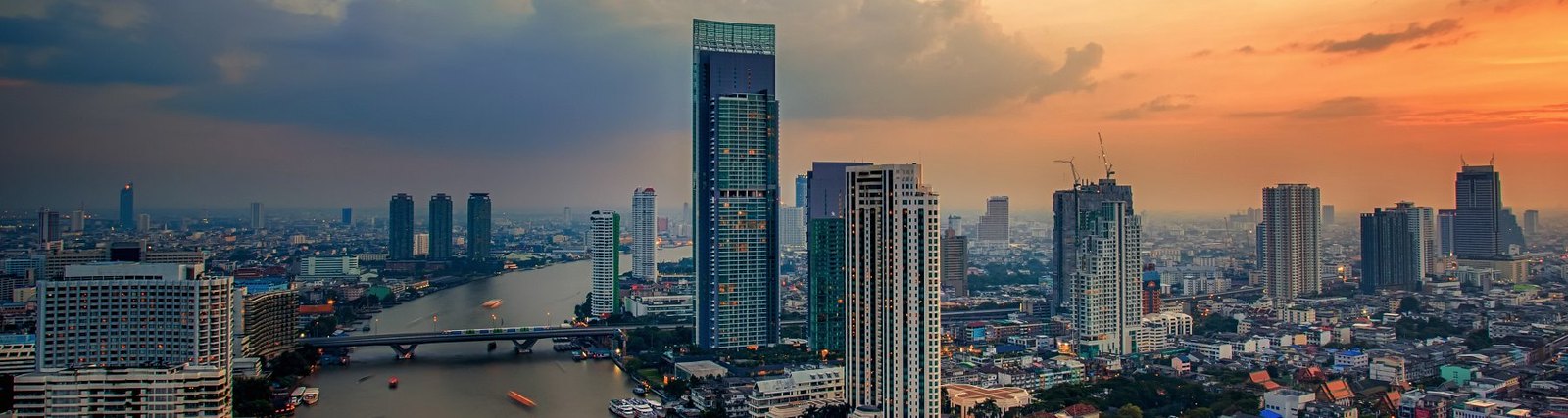
Angkor Wat Gate of Angkor Thom Sunset at Angkor Wat Kai Island, Phuket Hong Kong Bangkok City Floating Market, Bangkok
Showing posts with label Cambodia. Show all posts

Thursday, March 3, 2016

Unknown

Cambodia Landmine Museum in Siem Reap

During Cambodia’s three-decade-long conflict, approximately six million landmines were planted in the nation, and the Landmine Museum represents an agonizing window into the realism of the country’s landmine situation. This museum was founded in 1997 by Aki Ra, with the prime objective to make the country safe through the removal of mines from wherever he could find them. Aki Ra was forced to work as a mine layer by the Khmer Rouge, planting landmines from an age as young as five.

Later, as part of the United Nation’s endeavor to restore peace in the country during the 1990s, Aki Ra got the opportunity to work as a de-miner. Though the UN left the country in 1994, he continued the mission in his own way, even though it was not according to international demining standards. Initially, Aki Ra turned his own home located on the outskirts of the Siem Reap into a museum displaying decommissioned bombs, landmines and other explosive weapons that he had unearthed since 1995.

In 2001, a Canadian photojournalist Richard Fitoussi founded the Cambodia Landmine Museum Relief Fund (CLMMRF) in Canada to promote as well as raise funds for Aki Ra’s work.

From legal and monetary support to providing an NGO license for the museum’s relief facility that serve as a safe residence for disadvantaged children, the CLMMRF became instrumental in realizing most of his goals. He also was able to find a better venue for the museum that was officially opened on April 22, 2007.

After Angkor Wat, the Landmine Museum is the most popular attraction in Cambodia. The key highlight of the museum is its four galleries with a vast assortment of deactivated arms that not only throw light on the landmine curse in the country but also the consequences of wars.

The displays include hidden mines, mortars, booby traps, guns and other ordnances recovered from different parts of the country. A small shop and an area devoted to carrying out the works of his NGO can also be seen here. Perhaps the best aspect of this museum is that it serves as a source of income for amputees to support their families, in addition to caring for hundreds of children badly affected by poverty and mine laying.

The Landmine Museum holds the distinction of being the first of its kind in the world. It’s completely safe and abides by all protocols put forward by the Ottawa International Treaty to Ban Landmines and the Cambodian Mine Action and Victim Association Authority (CMAA).

Opening Hours: 07:30 - 17:30
Location: Located within the Angkor Wat Archeological Park, the Landmine Museum is five kilometers from Banteay Srey Temple, about a 30-minute drive from Siem Reap
Remarks: A donation US$1 per person is required to enter the museum
Read More
Unknown

Banteay Srey Butterfly Centre in Siem Reap

Banteay Srey Butterfly Center (BBC) is one of the most visited tourist spots in the country, with the largest butterfly exhibition in the Southeast Asia. A visit to Banteay Srey Butterfly Center is a great way to take a short break from the temple tours and spend some time in spectacular surroundings filled with rare and vivid butterflies. Situated about 25km from Siem Reap, it is a project with a difference, as the center also contributes to the welfare of the community by training local people to rear butterflies for sale locally exhibits as well as abroad.

In other words, it has been primarily developed as a poverty mitigation project, and the revenues generated by way of admission fees and butterfly farming are used to employ impoverished people in Siem Reap’s remote villages. Most significantly, the centre and its activities render a livelihood to poor families without causing any species extinction or destruction to the natural habitat. In a way, the project itself is a nature-conserving initiative that educates people on the importance of raising income through the preservation of nature.

The key highlight of Banteay Srey Butterfly Center is its large netted enclosure with a variety of free-flying butterflies – most of which are indigenous to the country. It is truly a great experience to feed butterflies here and see them fluttering from one flower to another. Another interesting attraction is the pupae stage. Some of the species featured here are Atlas Moth, Blue Glassy Tiger, Dark Blue Tiger, Five-Barred Sword tail, Great Mormon, Gaudy Baron, Lime Butterfly, Orange Emigrant, Peacock Pansy, Red Helen and Tailed Jay.

Visitors can also obtain valuable information on other stages of butterfly metamorphosis. If you’re lucky enough, you may sometimes catch sight of a caterpillar morphing into a chrysalis (pupa). Above all, the BBC stands out for its stunning plant and floral varieties that include, but not limited to, multi hued orchids and red ixora chinensis. So if you ever plan to take a tour to Siem Reap or Cambodia, this butterfly center is definitely an attraction not to miss out on.

The BBC is on the way to Banteay Srey Temple in Siem Reap, and is located about three kilometers from the Landmine Museum. It is open throughout the week from 09:00 to 17:00, and admission fee is $4 for adults and $2 for kids. The staff members are friendly and knowledgeable people and clearly explain the centre’s colourful exhibits as well as the background and mission of the project.

Tel: (+855) 0978 527 852
Read More
Unknown

Phnom Udong

About 40 kilometers northwest of Phnom Penh along National Route 5, a mountain topped with the spires of stupas rears from the plain like a fairy tale castle. This is Phnom Oudong, at one time an ancient capital.

As the capital, it was called Oudong Meanchey; Oudong means noble or excellent, and Meanchey means victory. From 1618 until 1866 it was home to a succession of kings, deposed from the former capital of Longvek by the invading Thais. The mountain itself runs from southeast to northeast, with a low saddle in the middle. Khmers say it has the shape of a Naga the magical multi-headed serpents that guard the Buddha. Along Route 5, signs point the way to silversmithing villages, a legacy of the past when kings and nobility used to come to the Tonle Sap to bathe and the people would offer them delicate gifts fashioned from the precious metal. Turn left at the large billboard, and at the very base of the mountain is a flurry of picnic huts. On weekends, hoards of people descend on the area from Phnom Penh to eat roast chicken, fish and palm fruit in the cool of the thick forest. At the base of the mountain near the path, a memorial containing bones of some of the hundreds of bodies exhumed from a large Khmer Rouge killing field here has been built testament to the area's bloody past. Stairs to the left lead to a huge, shattered statue of Buddha, the feet almost the only part still intact. On the path up the mountain to the right, the stairs climb steeply and a large structure rises on the left. Inside, huge pillars stand underneath sky, and in between their bullet-strafed skeletons, a statue of Buddha sits, only his right arm and shoulder still intact from the ravages of aerial bombings and shelling that shook Oudong from 1970 onwards. The Khmer Rouge finished the job in 1977, setting explosives inside the temple. This is Arthross Temple (Temple of Eight Points), and legend has it that the Buddha here, facing north instead of the traditional direction of east, is a testimony to the strength and power of the ancient Cambodian kingdom.

In the 18th century, locals say, a Chinese king sent his people out across Asia to identify potential threats. When they came to Oudong, they saw the mountain shaped like a Naga, a cavern on top of the Arthross end, and observed the wealth and power of Khmer society. They went home and told their king that the Khmers were already a powerful race, and should a Naga appear through the cavern of Arthross, they would be strong enough to rule the world.

The Chinese king did not want this, nor did he want a war. Instead, he asked the Khmer king if he could build a temple above the cavern, with the Buddha facing towards China in order to protect his kingdom. This was named Arthaross temple (Arthaross means 18 corners) because there are 18 points, or corners, built into the structure of the temple. This temple also once stood 18 hats high a Khmer measurement the length of an arm from elbow to fingertips. One hat is about half a meter. Behind Arthross is Chker Amao stupa. Chker Amao was the dog of the head monk of Preah Sokhun Mean Bon. He was reportedly so remarkably clever that the monk could send him shopping with a list tied to his collar and the faithful dog would walk from market stall to market stall, collect the shopping, then bring it home. When he died he was reincarnated as the son of a Chinese king. The young prince began to get terrible headaches, and the court astrologer diagnosed the problem as the roots of the bamboo growing across the dog Amao's head in his Oudong grave. The king sent his people to Cambodia to cut the roots of the bamboo and build the temple that became Chkeri Amao Temple to consecrate the spot. As the ridge meanders northeast, three small viharas Vihear Preah Ko (Sacred Cow), Vihear Preah Keo (Sacred Precious Stone) and Vihear Prak Neak (The Buddha Protected by a Naga) have been restored and feature a statue of the sacred cow, glittering golden Buddhas and vibrant murals. The invading Thais took the original Preah Ko and Preah Keo when Longvek fell in 1594. These statues were said to have held golden books full of all the knowledge in the world in their bellies, and legend says that when they were lost to the Khmers marks when the Kingdom of Cambodia fell behind her neighbors. As the head of the naga comes into sight, three large stupas mark the resting place of kings. The first stupa, Chetdei Mouk Pruhm, is where the remains of King Monivong lie. He died in 1941. The middle stupa, with its four Bayon faces looking out over Kandal in all directions, is Trai Traing, built by King Norodom for his father, King Ang Duong, in 1891.The last is called Damrei Sam Poan and was built in the 17th century for King Soriyopor. At the very point of the mountain, a huge stupa is just in the final stages of construction. This is probably where the Buddha relics that were once housed in the vihara outside the train station in Phnom Penh will be placed.

Across on the smaller ridge, Ta Sann Mosque is a testament to King Ang Duong's broadminded intellectualism. Grandfather Sann was born in Champa, the former Islamic empire that once shared Indochina with the Khmers, and was an Iman at Phnom Chumreay. He and the king became firm friends during long discussions about the dharma of both religions, and the king offered him a 50 square meter area on any mountain he chose to build a mosque, which he snappily accepted. But Oudong has not always witnessed such magnanimous tolerance. The alternative stairway that tumbles down the mountainside near the stupas of past kings passes murals depicting the atrocities of the Khmer Rouge. No one here has forgotten that past, and the bullet-riddled temples are an everyday testament to what this fairytale city of the dead has suffered in the recent past.

Today, Oudong remains a sacred place where the construction of a huge stupa has recently been built to store and conserve the relic of Preah Serei Roek Theat (Ash of the Buddha).
Read More

Wednesday, February 24, 2016

Unknown

Bamboo Island (Koh Russei)


A few days on Bamboo Island, off Sihanoukville's coast, comes highly recommended. The boat ride takes about half an hour and once there you will find that only about 30 people live on the island. On its north-facing crescent beach Bamboo Island has three bungalow resorts, two restaurants and two bars and is very, very laid back. Unlike on the more frenetic mainland, there are no hawkers and the bungalows are right on the casuarinas-lined beach itself.

There are a few day-trippers but come nightfall the island is practically deserted. Electricity is provided by two generators for the early hours of the evening but after that it's back to the moon and the stars for light. 

You won't find TV or internet or even roads on Bamboo Island but what you will find is warm, blue, crystal-clear water, perfect for swimming, soft golden sandy beaches, lush natural surroundings, and a lot of peace and tranquility that you won’t come across in many other so-called ‘relaxed’ destinations. This is serenity at its best.

You’ll find footpaths throughout the island, so you can explore the jungle covered interior. There is a volleyball net on the beach. 

How to get there: A ferry departs from Ochheuteal Beach at 10:00 and departs from the island at 16:00 the traverse takes roughly 45 minutes.
Read More
Unknown

10 Best Attractions You Can See in Phnom Penh

Phnom Tamao Wildlife Rescue Centre
There is so much to see and do in Phnom Penh that most people are surprised as they make a stop in the Cambodian capital heading to or from Siem Reap’s Angkor Wat. But those who don’t make a stop off in Phnom Penh miss out on so many interesting historical, cultural and environmental attractions on offer.

It’s not all about the Khmer Rouge or Cambodia’s tragic past either. Islands, Khmer era temples, wildlife sanctuaries, performances and museums are all easily accessible and tours are reasonably priced. See our personally researched guide to the best attractions in Phnom Penh below.

1. The Killing Fields and S-21 Prison
Tuol Sleng Genocide Museum (S-21) and Choeung Ek Killing Fields Memorial are the most visited tourist spots in Phnom Penh. Visits to both sites can be very emotional, but it is an essential stop while visiting Phnom Penh to understand the recent tragic Cambodian history. Given the connection between the two sites, take in both sites on the same day to fully appreciate the history. Any tuk-tuk driver in the city will be able to take you to both the museum and the memorial, or if you prefer to have a proper English-speaking guide, the PHNOM PENH'S PAST or the CHOENG EK KILLING FIELDS & TUOL SLENG MUSEUM tours are both excellent.

Tuol Sleng, also known as S-21prison, was a high school that the Khmer Rouge regime used as an interrogation and torture centre. Most rooms have been left in the state they were found in January 1979, including classrooms divided into tiny cells. The haunting identity photos of the prisoners who suffered here are exhibited throughout the museum.

Choeung Ek Memorial(best known as the Killing Fields),17km south of Phnom Penh, is one of the many killing fields or execution and burial grounds used by the Khmer Rouge throughout Cambodia. Mass graves were discovered there after the Khmer Rouge fled the city, and estimates say up to 15,000 people were executed there. The visit, with informative audio guides in many languages, is very detailed and includes testimony from both survivors and guards of the regime.

Tuol Sleng Genocide Museum 
Address: Street 113, Tuol Sleng
Opening hours: 07:00 – 17:30 daily

Choeung Ek Killing Fields Memorial
Address: Sangkat Cheung Aek
Opening hours: 07:00 – 17:30 daily

2. Royal Palace and Silver Pagoda
The Royal Palace covers an area of 174,870 square metres and is open to visitors, even though the king of Cambodia still lives there occasionally (if the blue royal flag is flying, the king is in residence).Different buildings have been added and restored over time, even up until the mid-1960s, but some date back to the 19th century. You can visit the Throne Hall with ceiling murals depicting the story of the Ramayana, the Moonlight Pavilion where classical Khmer dances have been performed for decades, and the Silver Pagoda, named after the five tonnes of tiles covering its floor. The Silver Pagoda also houses the famous Emerald Buddha.

Opening Hours: 08:00 – 17:00
Address: Riverside, Sisowath Quay

3. National Museum of Cambodia
The National Museum of Cambodia has one of the largest collections of Khmer art, with more than 1,800 works on display. There are numerous sculptures, ceramics, and ethnographic objects such as theatrical costumes or marriage boxes, dating from the prehistoric to post-Angkorian periods. The building dates from the early 20th century but reflects “traditional Khmer” architecture. The garden and ponds feature statues of different types and divinities. Note that taking photos inside the museum is not allowed. This is a must-see visit while in Phnom Penh.

Address: Corner of Street 13 and Street 178
Opening hours: 08:00 – 17:00 daily

4. River Cruises
River cruises start at Sisowath Quay, Riverside, between Street 178 and Street 130. Expect to be asked many times to choose a boat and cruise company as you walk past. There are daytime and evening sunset cruises, which are the most popular. This is a great way to see the city from a different perspective and enjoy beautiful views of the Royal Palace and Riverside. The usual route goes down the Tonle Sap, onto the Mekong and up the shore of Kandal Province on the other side, to view floating fishing villages before returning, or ask for other options.

Address: Sisowath Quay, between Street 178 and Street 130
Opening hours: day and evening (sunset) cruises are available

5. Ta Prohm at Tonle Bati
You don’t have to go to Angkor Wat to see Angkor period temples. Just one hour south of Phnom Penh is the beautifully preserved laterite temple of Ta Prohm. Like the temple of the same name near Siem Reap, this temple dates back to the late 12th century. The carvings on the outside of the structure are in very good condition and bas-reliefs illustrating Hindu mythology are all around. The smaller Yey Peo temple is 200 metres to the north, and the small lake Tonle Bati is a popular picnic spot with locals. Huts and hammocks are available to rent at the lake.

Address: On National Route 2, about 30 kilometres South of Phnom Penh

6. Phnom Tamao Wildlife Rescue Centre
Families and animal lovers will enjoy the Phnom Tamao Wildlife Rescue Center, a sanctuary for rescued animals. Established in 1995, it is the largest zoo in Cambodia. They also run breeding programs for threatened species, and animals are released back into the wild whenever possible. For a really unique experience, the pricier Wildlife Tour lets you spend the day with the animals: learn how to care for elephants, tigers, gibbons and other endangered species, as well as the rescued baby animals in the nursery. Another option is Bear Keeper for a Day, with a behind-the-scenes experience looking after rescued endangered bears and working with their keepers for the day.

Address: 40 kilometres south of Phnom Penh
T: 095 970175

7. Cambodian Living Arts – Apsara and traditional Khmer dance
Apsara dance performances should not be missed. Traditional Khmer dance dates back to the 18th century, but was almost lost under the Khmer Rouge regime. Cambodian Living Arts revived the art by gathering surviving master artists to train and pass on their knowledge to younger generations. They also organise tours to watch classes and ask questions to both students and master artists for a more in-depth experience. The Cambodian Living Arts Plae Pakaa performances take place outdoor every day in the National Museum gardens from October through to March. A beautiful and unique experience. Book your tickets on their website to be sure of a spot.

Location: National Museum, corner of Street 178 and Street 13
Hours: Monday – Saturday at 19:00, October – March

8. Silk Island Bike tour
 Just a short boat ride up the Mekong from Phnom Penh, is Mekong or Silk Island. So named for the numerous silk producers on the island, this gives a fascinating look into an ancient local industry. Cycle around the island to see people weaving silk in their home-based businesses, and have the option to buy silk garments or material direct. End the tour with a leisurely boat ride down the famous Mekong River back to Phnom Penh in time for lunch. Bring some sun block and your camera!

Grasshopper Adventures
T: +855 12 462 165

9. Phnom Penh Local Markets
If there’s one thing Phnom Penh has plenty of, it is markets (phsars in Khmer). Large, small and everything in-between, you’ll find clusters of stalls in main streets and sides around the city, selling lots of everything. If you’re pressed for time, you can get the full experience at the must-see Central Market and the slightly further-afield Russian Market. Both will excite all your senses, but have different atmospheres and are known for their own specialties and bargains are assured. Take the full day PHNOM PENH DISCOVERY TOUR and see both in one day.

10. Khmer Cooking Classes
You may have heard that Cambodian food is like Thai food, but not as spicy. While there are similarities with many of the other regional cuisines, Khmer cooking has a style and flavour of its own that’s best discovered by getting hands-on in the kitchen. There are several really good cooking classes that will take you shopping through the local market to buy the fresh ingredients, and then back to the professional kitchens to prepare freshly cooked Khmer dishes like fish amok, pomelo and shrimp salad, beef lok lak, and super-sweet desserts. Some of the best on offer are from La Table Khmere in BKK1, Feel Good Café in Street 136 near Riverside, or Cambodia Cooking Class in Street 240 behind the Royal Palace.

Feel Good Café, Street 136, T: 017 497 538


Read More

Tuesday, February 23, 2016

Unknown

Top 10 Things to Visit When You Are In Cambodia

Angkor Wat Temple
Cambodia is certainly not lacking in charm and allure. From the stupendous achievement of Angkor Wat and its well-known offshoots to the natural splendour of Tonle Sap Lake, one of the world's largest freshwater lakes, this part of the country is a fascinating and rewarding place to visit. We can all learn lessons from Cambodia's bitter past and nowhere more so than at the Tuol Sleng Museum.

From war to peace - perfect peace - at tranquil and secluded Bamboo Island, while another relatively peaceful spot is Battambang in the country's 'rice bowl'. Try your luck at the casinos in Sihanouksville and finally sample the culture through the performing arts in Phnom Penh's Chatomuk Theatre.

1. Angkor Wat Complex
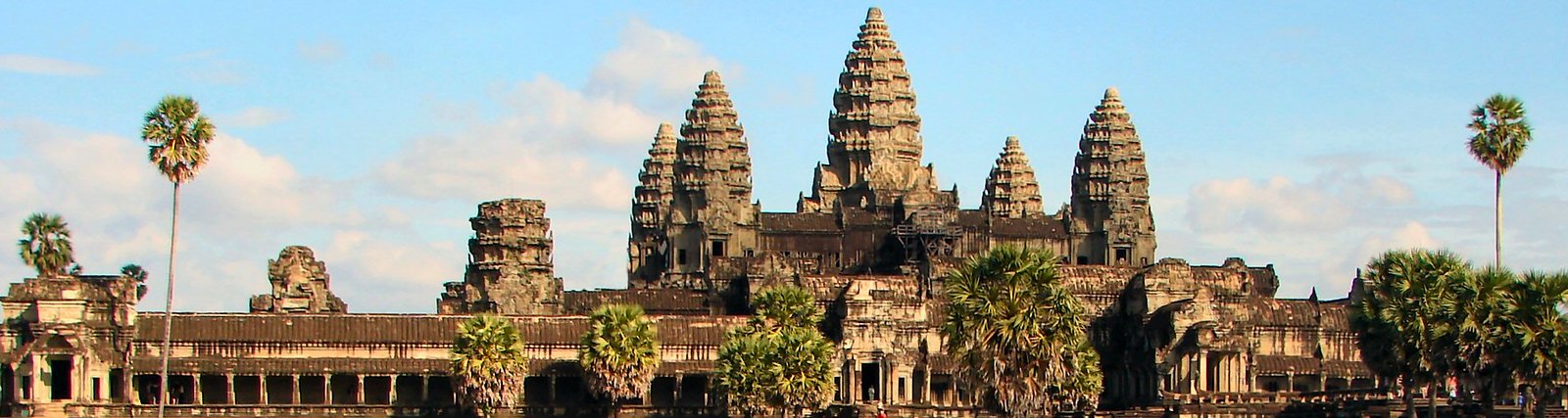
Angkor Wat is the most famous ancient temple site in Cambodia, and visiting the ancient Angkorian temples is the reason most visitors come to Cambodia, and to Siem Reap. With its five lotus-like towers rising 65 meters into the sky, it is truly a monumental, and awe inspiring sight. This UNESCO World Heritage site was at one time the largest pre-industrial city in the world, and is considered one of the ancient wonders of the world. Angkor Wat is the crown jewel of any visit to the temples of Angkor.The ruins of Angkor Wat are located in the Angkor Archaeological Park, and the entrance to the park is located about 3km north of modern-day Siem Reap. There are no hotels within the park grounds, and most visitors to the ancient temples stay in Siem Reap, using it as a base from which to make daily visits to the temples. The most significant temple ruins are found 6 to 25km north of town, with the closest major temple being Angkor Wat. The Roluos Group of temples are 13km east of Siem Reap.It is best to arrange your tour of the Angkor Archaeological Park with a reputable tour agency and a knowledgeable tour guide. They can assist with purchasing the admission pass, and arrange the transportation you will need. There are also guidebooks available, which will help in understanding the history of the temples.

2. Phnom Penh Royal Palace and Silver Pagoda
The Khmer-style Throne Hall was built in 1866, to serve as the residence of the King of Cambodia, his family and foreign dignitaries, as a venue for the performance of court ceremonies and rituals and as a symbol of the Kingdom. South of the Throne Hall are the Royal Treasury and the Villa of Napoleon III, built in Egypt in 1866, for the opening of the Suez Canal, and was later presented to the Cambodian king as a gift.The famous Silver Pagoda, originally constructed of wood in 1866, was expanded in 1962 by King Sihanouk who had the floor inlaid with 5,329 solid silver tiles, hence its name. Inside the Palace grounds, traffic noise is thankfully blocked off by the high walls and the various Royal buildings sit in tranquility amidst the manicured tropical gardens.

3. Bayon Temples
Aside from Angkor Wat, Ta Prohm and Bayon may be the best known and most photographed of the “other” temples. Ta Prohm is popular because of its lost temple in the jungle atmosphere, overgrown with trees and vines, and Bayon is famous for its huge enigmatic, carved stone faces.The Bayon Temple is the dominant feature inside the walled city of Angkor Thom, and Ta Prohm is not far outside the Victory Gate of Angkor Thom. Both are Buddhist temples, and were constructed by King Jayavarman VII; Bayon in the late 12th century, and Ta Prohm from the mid 12th century to the early 13th century. These two magnificent examples of Angkor temple architecture should not be missed. See below for details of these two ancient structures. The Bayon Temple is at the centre of the great walled city of Angkor Thom, which is at the heart of the Angkor Archeological Park.Bayon has some 50 towers, with four huge carved faces on most of them. Each of the four faces are four metres high and oriented toward the four points of the compass. The faces all have the same strange smile and closed eyes, creating a mysterious and serene countenance, representing an all-knowing state of inner peace, and perhaps a state of Nirvana.

4. Ta Prohm Temple
The temples of Angkor Wat and the walled city of Angkor Thom are perhaps the most famous and best known of all the ancient temple sites. To the east of Angkor Thom is the third most important, and one of the most photographed of all the ancient temples due to its dramatic scenery.Ta Prohm is a quiet, and sprawling monastery, and unlike most other sites, it has only been partially cleared of overgrowth, and has been intentionally left more or less the way it was originally found. Some walls and doorways of the ancient structure were left overgrown and gripped by huge trees and other foliage. Flocks of parrots in the trees add to the atmosphere, and give the visitor the feeling of discovering a temple lost in the jungle. With this image in mind, it is not hard to imagine what the French naturalist Henri Mouhot must have felt when he ‘discovered’ the temple in 1860.

5. Tonle Sap Lake
The Tonlé Sap Lake is the largest freshwater lake in Southeast Asia. During the dry season the lake drains into the Tonle Sap River which flows into the Mekong River. But in the rainy season (June to October), the huge amount of water in the Mekong causes the Tonlé Sap River to reverse its flow.The combination of water flowing into the lake, and the backup of the Tonle Sap River swells the lake to 5-times its size in the dry season. This increase in size floods the surrounding floodplain and forests, creating an incredibly diverse and rich eco-system. 

6. Tuol Sleng Museum and Choeung Ek Killing Fields
Cambodia's tragic past can be seen less painfully through the perspactive of time and its war museum, if not the most cheerful place in the world, can be extremely instructive in terms of coming to grips with what actually happened during those terrible years. No less instructive is the burial and execution grounds at Choeng Ek where thousands of exhumed skulls are on display.

7. Bamboo Island
A few days on Bamboo Island, off Sihanoukville's coast, comes highly recommended. The boat ride takes about half an hour and once there you will find that only about 30 people live on the island. On its north-facing crescent beach Bamboo Island has three bungalow resorts, two restaurants and two bars and is very, very laid back. Unlike on the more frenetic mainland, there are no hawkers and the bungalows are right on the casuarinas-lined beach itself.There are a few day-trippers but come nightfall the island is practically deserted. Electricity is provided by two generators for the early hours of the evening but after that it's back to the moon and the stars for light. 

8. Battambang and Surroundings
Battambang is somewhat of an ode to French colonialism. The city lies in the heart of the Northwest and until the war years it was the leading rice-producing province of the country. The 100,000-person town offers not only one of the best preserved examples of the French Colonial era, but also the small-town feel you expect to encounter in Cambodia as a rule. The true bonus however is the village life that is a mere stone’s throw away, be it by motorcycle, jeep or boat. The combined effect makes Battambang well worth the detour it requires to visit. For centuries, Battambang was part of Siam and was used as its eastern commercial hub. The French have left a strong mark on the town's architecture, resulting in a pleasing colonial effect. The town is the gateway between Thailand and Phnom Penh but still retains a sleepy atmosphere not conducive to people looking for nightlife and fine dining. Rather, people use the town as a base for visiting the nearby temples of Phnom Banon and Wat Ek Phnom. Some 293 kilometers from Phnom Penh, Battambang is in the heart of Cambodia's 'rice bowl' and even though it is Cambodia's second-largest city it has a marked rural feel to it.

9. Kep Beach
Southern Cambodia has access to the Gulf of Thailand and offers ideal opportunities to finish a tour in the Kingdom. Kampot is a pleasant town 5-km inland on the banks of the river Tuk Chhou. A nice place to enjoy a boat trip on the river. Kampot is also base for excursions to the Bokor National Park in the Elephant Mountains. The nearby seaside resort of Kep (Kep-sur-Mer) is located 25 km from Kampot. This beautiful coastal area was once the favorite holiday spot for Cambodias French-influenced elite during the turn of the 19th century. From Kep fishing boats can take you to one of the island scattered in the bay.

10. Apsaras Dance and Dinner Shows
Apsara Dance draws its inspiration from the mythological court of the gods and from its celestial dancers, the Apsaras. The dance took on its own unique form adding movements and meaning, during the reigns of Jayavarman II and Jayavarman VII as well as in the Angkor era.By the 13th century, the dance was assuming a Khmer identity rather than Indian – the source of its roots. It combined gentle movements with loud, traditional Khmer music during its performance. In that era, Apsara dance was performed solely for the benefit of the upper class, and particularly for the king.Apsara dancers’ fingers are extraordinarily elastic; so much so that they can bend their fingers backwards almost to the wrist and training starts when they are so young that their bones are still supple.


Read More